English

Search

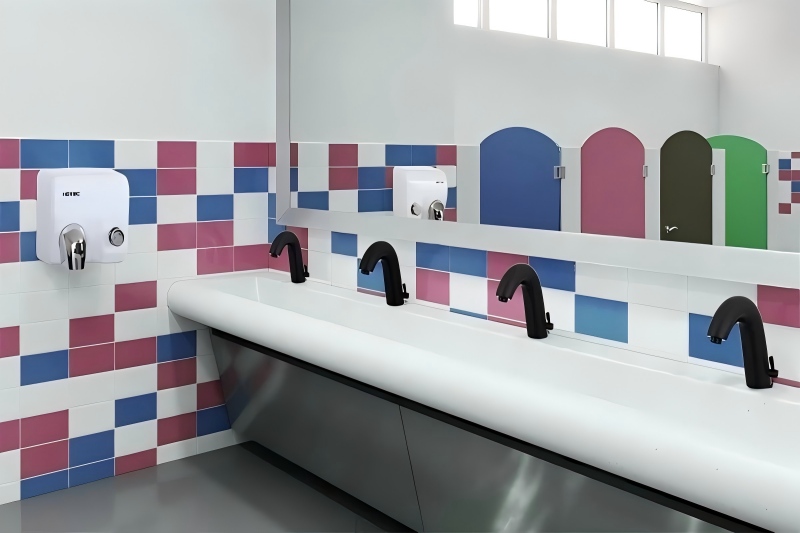
Schools need washroom equipment that can withstand concentrated periods of use while remaining practical for students, teachers, cleaning staff, and facility managers. Hand dryers can contribute to this system by providing a consistent drying point without the continuous storage, replenishment, and disposal requirements associated with paper towels. The most suitable model depends on traffic patterns, age groups, noise expectations, maintenance capacity, accessibility, and long-term operating costs.
School restroom demand is rarely evenly distributed throughout the day. Several classes may enter a washroom within a short period between lessons, and demand can rise again during lunch or school activities.
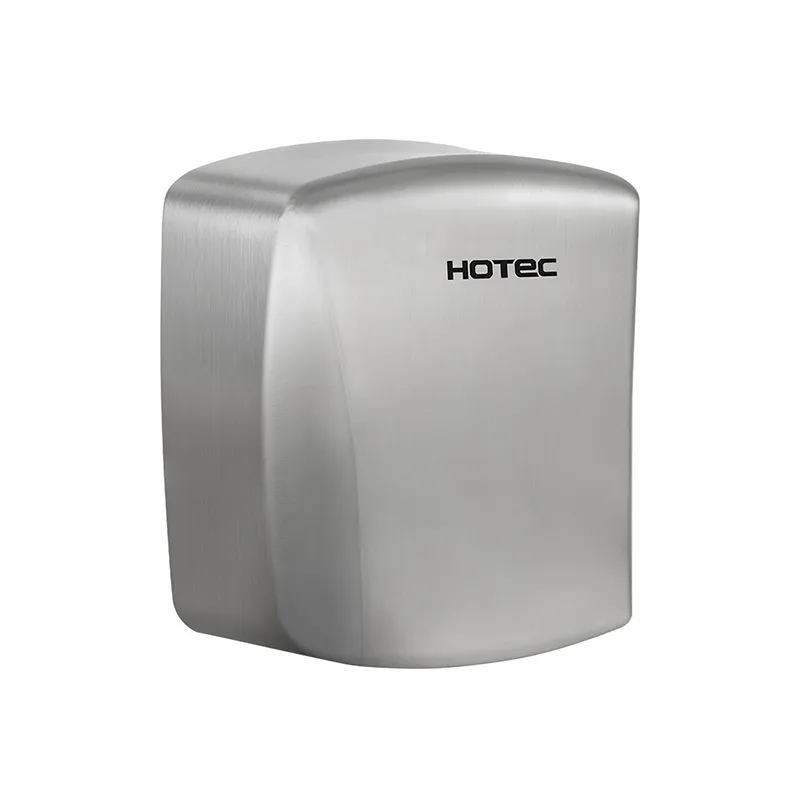
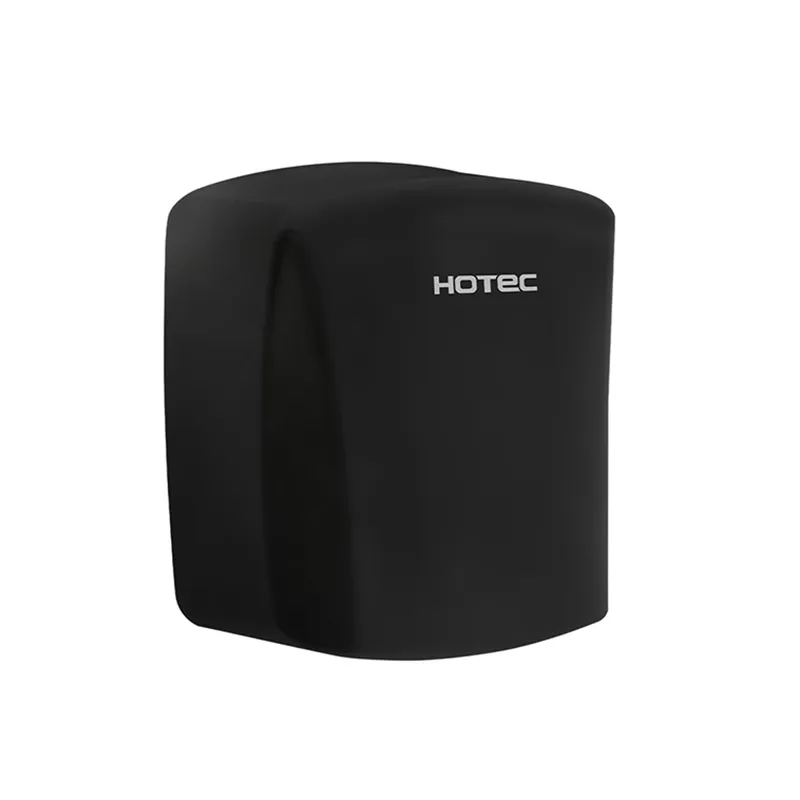
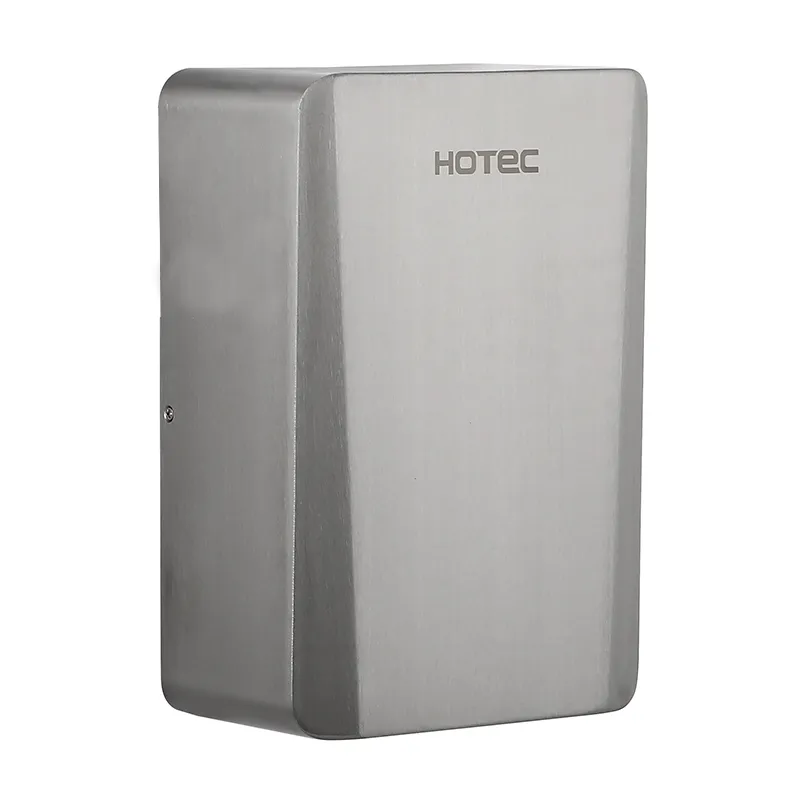
Using hand dryers for schools can help facilities establish a predictable drying process while reducing dependence on consumable paper products. The equipment must nevertheless be selected according to peak demand rather than average usage.
| Feature | Why it matters |
|---|---|
| Touchless activation | Reduces contact with operating controls |
| Fast drying | Helps manage peak-period traffic |
| Durable housing | Supports frequent everyday use |
| Low noise | Helps minimize disruption near classrooms |
| Easy cleaning | Simplifies routine maintenance |
| Reliable sensor | Reduces failed activations |
| Accessible installation | Supports different users and age groups |
Not necessarily. Drying speed is valuable when several students need to use the same facility within a short period, but acoustic performance and user comfort should also be considered.
A very powerful dryer may be unnecessary for a small school with low traffic. A large campus with multiple buildings may have different requirements, particularly where restroom congestion occurs during short transition periods.
The most useful comparison therefore considers drying time, airflow, noise, energy consumption, sensor response, durability, and maintenance rather than relying on speed alone.
Touchless dryers are often selected to simplify operation and reduce contact with controls. However, an unreliable sensor can create the opposite effect by requiring repeated hand movements or causing unnecessary activations.
Procurement teams should ask about sensor range, response time, environmental tolerance, and maintenance requirements. The sensor should operate predictably without requiring students to understand complicated controls.
Facility teams should consider the complete maintenance cycle before purchasing equipment. Cleaning procedures, sensor inspection, replacement parts, fault reporting, and service intervals should be clearly defined.
Schools with multiple buildings can benefit from standardizing equipment. A consistent product specification can reduce staff training requirements and simplify spare-parts purchasing.
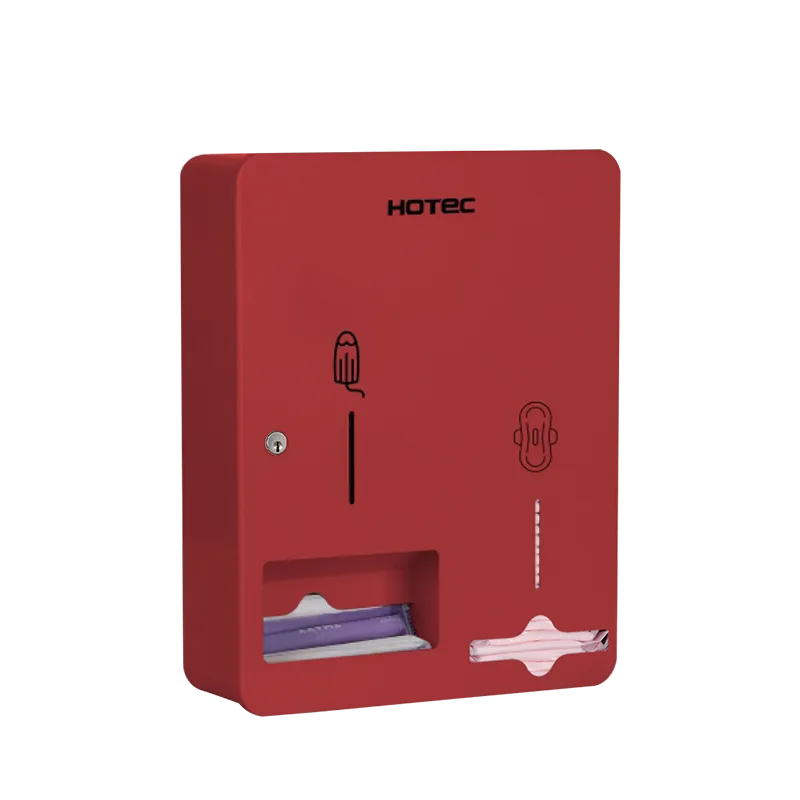
Other commercial restroom accessories should also be considered as part of the overall washroom layout. Coordinating dispensers, dryers, mounting heights, and cleaning procedures can make the entire facility easier to operate.
The economic comparison should include more than the purchase price. Paper-based drying systems require regular purchasing, storage, replenishment, and waste handling. Electric dryers shift costs toward electricity, maintenance, and equipment replacement.
The actual financial result depends on student numbers, usage patterns, local electricity costs, paper consumption, equipment efficiency, and expected service life.
For this reason, schools should compare estimated costs over several years rather than treating equipment purchase price as the primary financial metric.
Dryer location affects both user flow and accessibility. The equipment should be positioned so that students can move naturally from the sink to the drying area without blocking entrances or creating queues.
Installation height should also be considered carefully, particularly in facilities used by younger students or people with different accessibility requirements.
Schools and contractors should request installation drawings, electrical specifications, operating instructions, cleaning guidance, warranty information, and spare-parts details before placing a large order.
For new construction projects, these documents should be reviewed before electrical and wall-finishing work is completed. This reduces the risk of having to modify an installation later.
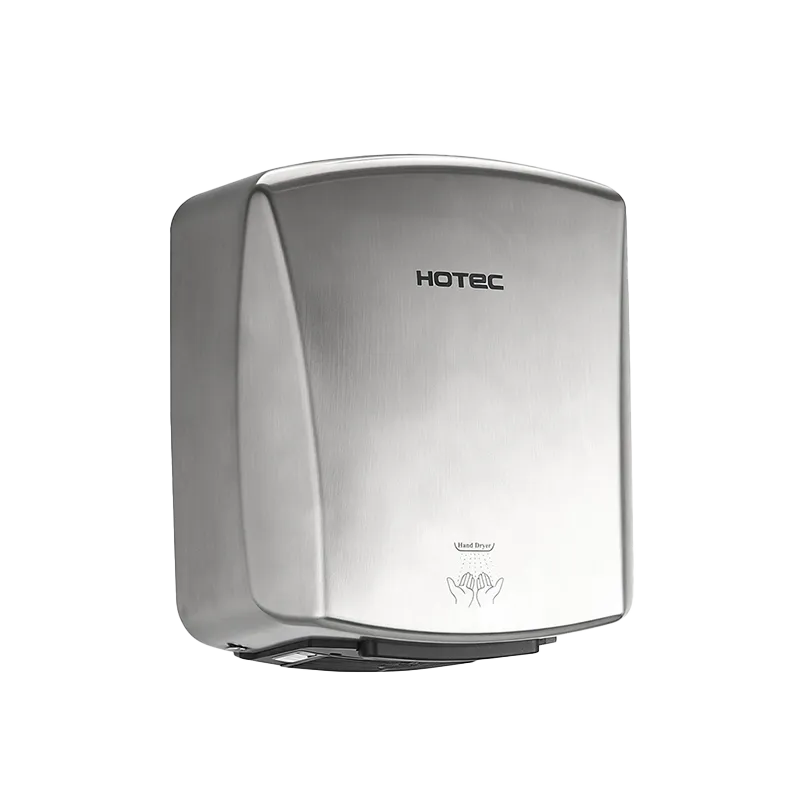
An induction hand dryer can be considered when touchless activation is a priority. Sensor operation allows students to activate the equipment without directly touching a button or switch.
However, the sensor should be assessed as part of the complete product. Response consistency, activation range, drying performance, noise, and maintenance requirements all influence whether a particular model is appropriate.
A standardized specification can make long-term management easier. Schools can define requirements for activation, drying performance, noise, construction, electrical configuration, mounting dimensions, cleaning, and service support.
This approach gives facility managers a repeatable framework when replacing equipment or expanding to additional buildings.
Hand dryers are therefore most valuable when they are treated as part of an integrated washroom-management strategy rather than as isolated appliances. Matching the equipment to traffic, user needs, maintenance resources, and building conditions can improve both everyday usability and long-term facility management.